Jute Bag Printing Machine Exporter to Brazil
What Should Brazilian Buyers Evaluate Before Importing a Jute Bag Printing Machine?
N-TEX handles export inquiries for flexographic printing machines intended for jute bag applications in Brazil. Before requesting a proposal, buyers should define the production conditions that will shape the machine configuration.
For a jute bag printing machine Brazil inquiry, evaluate bag format, printable area, required colours, artwork type, production workflow, operator capability, and available installation space. These details help align the flexographic printing machine for jute bags with the intended process.
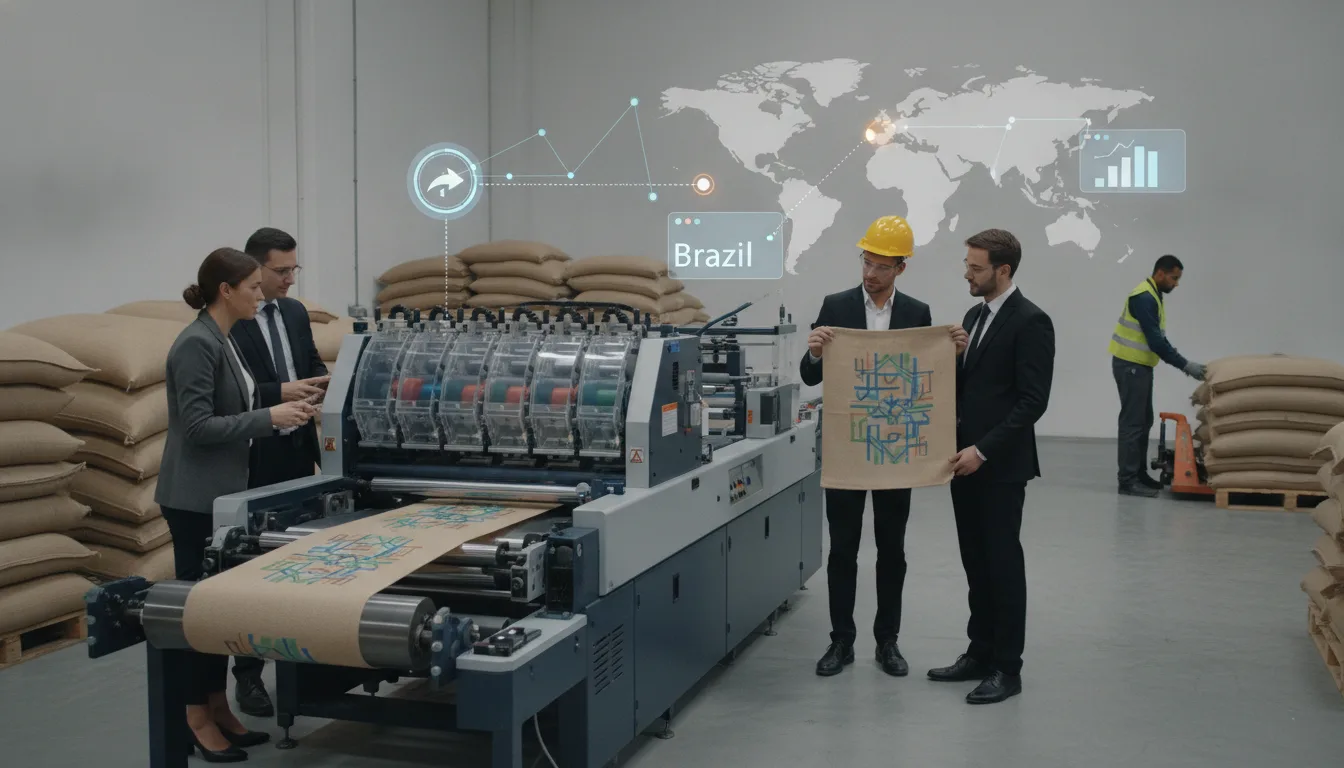
- Technical fit: bag width and length, print repeat, design complexity, target output, and handling requirements.
- Commercial scope: machine configuration, quotation inclusions, packing details, required documentation, and service communication expectations.
Inquiry planning example: bag width, bag length, number of print colours, artwork type, target output, destination port, installation space, and preferred communication contact.
Share these inputs when you contact N-TEX for machinery consultation for a jute sack printing machine exporter discussion and quotation.
Flexographic Printing Machines for Jute Bag Applications
For buyers sourcing a flexographic printing machine for jute bags, the right choice begins with the artwork, bag format and information to be printed. Flexographic systems support repeatable application of branding, product identification, graphics, handling instructions and other bag information.
N-TEX is an India-based manufacturer and exporter of industrial machinery, with flexographic printing machinery for jute and canvas bags, woven sacks, FIBC bags, paper sacks and other industrial substrates. See N-TEX industrial machinery solutions for broader company and product context.
Colour capacity and machine configuration should be matched to the application, not selected as a one-size-fits-all package. A Brazil machinery import inquiry can outline substrate, print faces, artwork and production workflow for discussion.
For example, printing requirements may differ substantially:
- A single-colour handling mark or product identifier may require a different arrangement.
- A multi-colour retail or branding design may need consideration for several graphics and information elements.
This application-led approach helps align discussions with a jute sack printing machine exporter to the intended bag use.
Match the Machine Configuration to Your Jute Bag Printing Process
Machine suitability starts with the bag itself: assess jute weave, surface condition, bag construction, dimensions, print location, and whether material is supplied as sheets, formed bags, or another production format.
- Define colour count, artwork repeat, print coverage, ink requirements, and acceptable registration expectations.
- Review feeding arrangement, material handling, upstream bag conversion, downstream inspection, and points where manual intervention may affect consistency.
- Confirm how the print process must fit existing production flow rather than considering the press in isolation.
For example, a buyer may submit bag length and width, two-colour logo artwork, front-panel logo placement, substrate details, and the planned feeding, inspection, and dispatch workflow. This creates a useful starting point, but final machine suitability requires technical review.
When comparing an industrial bag printing machine India exporter, Brazilian buyers can discuss application requirements with N-TEX through technical consultation and customized machinery solutions. A jute bag printing machine exporter to Brazil should help align configuration with practical production needs.
Printing Applications Brazilian Buyers Can Plan For
Brazilian buyers can plan print layouts for brand names, logos, product labels, agricultural product identification, handling instructions, packaging information, and promotional graphics. Functional print and decorative retail designs need different discussions around colour capacity, coverage, artwork detail, and registration.
| Application | Commonly printed | Details to share |
|---|---|---|
| Brand identity | Name, logo | Colours, artwork size |
| Agricultural identification | Product type, grade | Print position, coverage |
| Handling instructions | Warnings, symbols | Legibility, repeat layout |
| Packaging information | Contents, pack details | Variable artwork requirements |
| Retail graphics | Promotional visuals | Colour count, registration |
A jute sack printing machine exporter serving industrial bag manufacturers should also consider wider packaging operations. N-TEX flexographic machinery applies to woven sacks, FIBC big bags, corrugated paper, and multiwall paper sacks. For a jute bag printing machine exporter to Brazil, buyers can explore N-TEX packaging machinery for related production requirements.
Prepare an Export Inquiry and Documentation Discussion for Brazil
Machine selection and export planning should be discussed together, but handled as separate decisions. A complete Brazil machinery import inquiry helps N-TEX prepare a more relevant technical and commercial response for a jute bag printing machine shipment from India.
Include your company name, intended printing application, preferred machine configuration, required quantity, destination city or port preference, and the commercial terms you would like to discuss. This approach gives buyers a practical sourcing advantage over generic product enquiries, because technical suitability, quotation scope and shipment planning can be clarified early.
Example inquiry details:
- Machine application: printed jute sacks or jute shopping bags
- Bag dimensions and material details
- Required number of print colours
- Artwork type and repeat-printing requirements
- Power information to be confirmed for the installation site
- Delivery location: city, port or nominated forwarder
- Requested quotation terms and preferred shipping discussion
Ask which commercial and shipping documents can be discussed for the proposed transaction. Documentation requirements may vary by product classification, transaction structure and current Brazilian import rules, so confirm applicable requirements with your Brazilian customs broker, freight forwarder and relevant authorities.
For a focused quotation and documentation discussion with a jute sack printing machine exporter, contact N-TEX for machinery consultation.
Compare Machine Exporters on Technical Clarity and Scope
When comparing a jute bag printing machine exporter to Brazil, assess how clearly each supplier connects the machine to your material, print requirement and operating process. Separate confirmed specifications from assumptions that still need technical review, particularly for colour capacity, feeding, drying, output handling and installation scope.
| Application fit | Machine scope | Customization discussion | Quotation clarity | Packaging details | Documentation discussion |
|---|---|---|---|---|---|
| Jute sack size confirmed | Print and handling stages listed | Material guidance reviewed | Inclusions stated | Export packing specified | Document needs discussed |
| Artwork and colours reviewed | Colour configuration confirmed | Special requirement assessed | Exclusions identified | Marking requirements checked | Invoice and packing list planned |
N-TEX provides technical consultation to identify process needs and select machinery suited to the application. Customized machinery solutions are available for several machine applications, subject to technical discussion.
For a clearer jute bag printing machine quotation and export discussion, contact N-TEX for machinery consultation.
Frequently Asked Questions
What information is needed to request a quotation for Brazil?
To request a quotation for Brazil, provide your jute bag dimensions, material and bag format, required number of print colours, artwork or print layout, target application, expected quantity, destination location, and commercial requirements. Complete details help N-TEX prepare a more relevant technical and commercial discussion, so you can contact N-TEX for machinery consultation.
Which printing requirements should be shared with a machine exporter?
Share the required print area, number of colours, design repeat, logo or text placement, ink expectations, bag dimensions, substrate condition, and your preferred workflow format. These details allow the exporter to assess a suitable flexographic configuration for your jute bag production; you can also contact N-TEX for machinery consultation with your specifications.
Can a flexographic printing machine be used for jute bags?
Yes, a flexographic printing machine can be used for jute bags, and N-TEX offers flexographic printing machinery for jute and canvas bag applications. Suitability depends on the bag construction, surface texture, dimensions, print requirement, and proposed machine configuration; contact N-TEX for machinery consultation to discuss the appropriate solution.
Should Brazilian buyers confirm import documents before placing an order?
Yes. Brazilian buyers should confirm applicable import documents and requirements with their customs broker, freight forwarder, and relevant Brazilian authorities before finalizing an order, as requirements can vary by shipment and transaction. Contact N-TEX for machinery consultation to discuss the machine specification and export quotation.
Conclusion
For Brazilian jute bag manufacturers, the right printing setup depends on bag format, required colours, artwork detail and workflow needs, with flexographic machinery helping support consistent, efficient production. N-TEX, an Indian manufacturer and exporter of industrial machinery, can review these requirements and discuss a suitable jute bag printing machine configuration and export quotation for Brazil.
Discuss Your Jute Bag Printing Machine Requirement
Share your bag dimensions, print colours, artwork requirements, workflow details, and Brazil destination information. N-TEX can review the application and discuss a suitable flexographic printing machine configuration and export quotation.
Learn more