FIBC Sheeted Flexographic Printing Machine for Multicolor Printing
What Is an FIBC Sheeted Flexographic Printing Machine?
An FIBC Sheeted Flexographic Printing Machine for Multicolor Printing is flexographic equipment intended to print graphics on sheeted FIBC material before it is converted into finished bags. It supports FIBC and big bag manufacturers that need clear, repeatable printing as part of a controlled production workflow.
FIBC bags, also called big bags, may carry branding, handling instructions, product identification marks, safety information or other production-specific graphics. An FIBC flexographic printing machine applies these required visuals to prepared sheets, helping manufacturers integrate printing with their bag-making process.
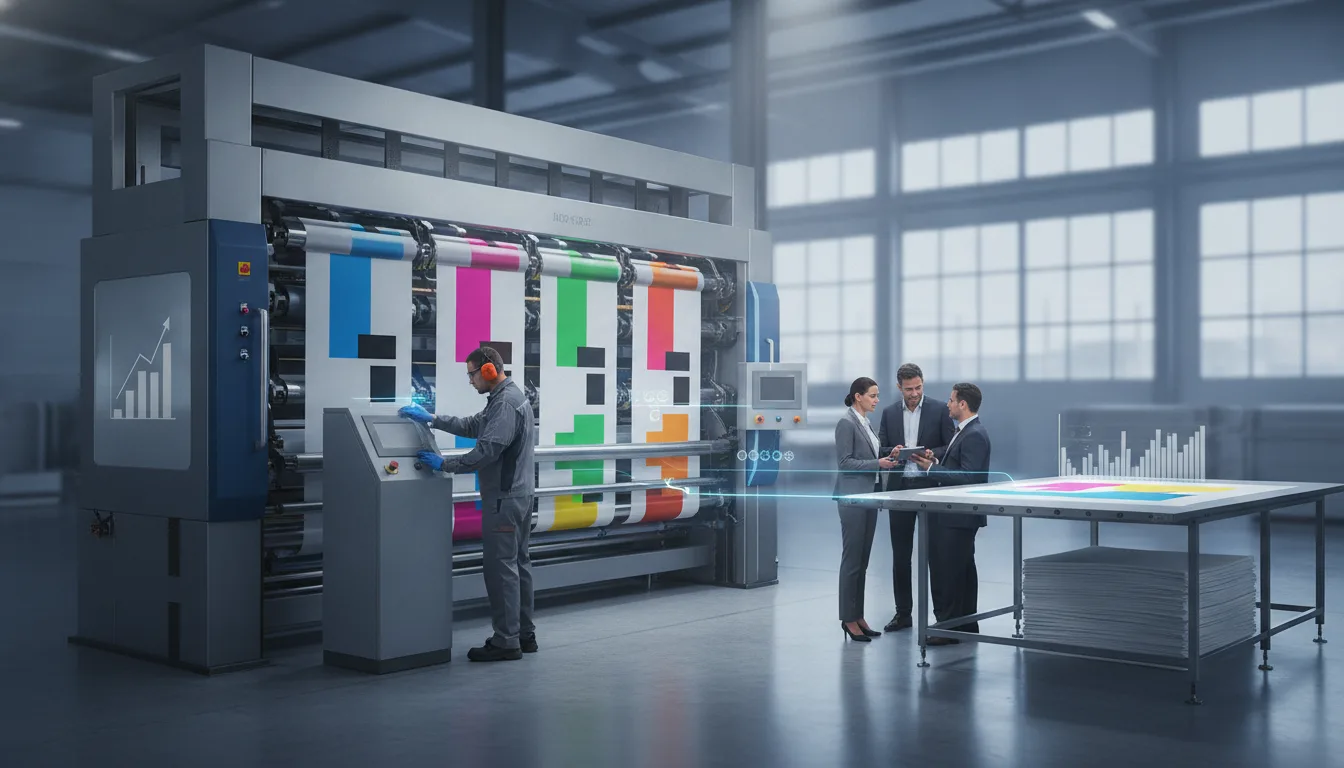
Sheeted printing differs from roll-to-roll printing because the material enters the press as individual sheets rather than a continuous web. The appropriate format depends on the material presentation, conversion sequence and production requirements. A big bag printing machine for sheeted material can fit operations where sheets are prepared before printing and subsequent assembly.
- Sheeted FIBC material is prepared and fed into the printing stage.
- Required artwork, marks or instructions are printed onto the sheet.
- The printed sheets move to downstream bag conversion and finishing operations.
N-TEX is a manufacturer and exporter of industrial machinery for FIBC, woven sack and packaging applications. Explore N-TEX industrial machinery solutions for related equipment and application-focused manufacturing support.
Why Multicolor Printing Matters for FIBC and Big Bag Manufacturers
Multicolor capability helps FIBC and big bag manufacturers present information clearly while differentiating product lines. A two or three-colour design can combine a brand logo with handling symbols, product identifiers or customer-specific graphics on FIBC panels.
For example, a manufacturer may print a two-colour logo and handling-mark layout for one bulk product, then use a three-colour brand and identification design for another. This supports clearer visual separation without relying on separate manual marking steps.
- Product presentation: distinct colours can make logos, symbols and key identifiers easier to recognise.
- Operational identification: consistent graphics can support product, customer or handling differentiation across PP woven FIBC printing runs.
- Process control: a multicolor FIBC printing machine can reduce repeated manual handling associated with separate printing or marking activities.
When artwork uses multiple colours, maintaining register and visual consistency is important to avoid unclear graphics, overlaps and unnecessary material wastage. The Flexographic Technical Association identifies registration control and ink-to-substrate selection as key flexographic printing considerations. Final print quality will depend on fabric condition, artwork, inks, operator setup and machine configuration.
N-TEX provides application-focused industrial machinery solutions for manufacturers assessing FIBC bag printing machinery around their production requirements.
Key Factors When Selecting a Sheeted Flexographic Printing Machine
Start with the production conditions, not a generic machine configuration. Define FIBC sheet dimensions, material type, expected daily volume and the print designs your product range requires before comparing a sheeted flexographic printing machine.
Match the number of printing colours to current artwork and likely future designs. A multicolor FIBC printing machine should support required logos, identification panels and graphics without specifying unnecessary colour capacity.
During technical discussions, review print area, sheet feeding arrangement, ink system, drying requirements, registration control and operator access. Confirm the intended substrate, including HDPE or PP woven material, so the FIBC bag printing machinery can be considered for the actual application.
Buyer checklist example:
- Sheet size and printable area required
- Number of colours and design complexity
- Material type, such as PP or HDPE woven fabric
- Daily production requirement and shift pattern
- Available floor layout, access and utility conditions
- Existing material handling and bag conversion workflow
Evaluate how the machine will receive sheets and transfer printed material to downstream operations. N-TEX can discuss application-focused options within its industrial machinery solutions for FIBC manufacturing workflows.
How the Printing Process Supports a More Controlled Production Workflow
An FIBC Sheeted Flexographic Printing Machine for Multicolor Printing should be assessed as part of the complete bag-production flow, not as an isolated print station. A controlled workflow begins with properly prepared sheeted material, followed by print-component setup, approved artwork verification and output checks throughout the run.
- Confirm sheet size, surface condition and alignment before loading.
- Set printing components and register the approved artwork for the required colours.
- Run initial samples, then verify colour placement, legibility and print position against the approved reference.
- Continue regular inspections during production, recording material or setup changes that may affect output.
For example, a fragmented workflow may require operators to repeatedly reposition sheets and recheck print placement between stages. A planned sheeted flexographic printing machine workflow instead defines material preparation, setup approval and in-process inspection points, helping manufacturers evaluate where unnecessary manual intervention can be reduced.
Repeatable setup procedures, incoming material checks and regular inspection are important for PP woven FIBC printing consistency. Selection should also account for upstream sheet preparation and downstream conversion, stacking or handling requirements.
N-TEX applies an application-focused approach to FIBC bag printing machinery and offers technical consultation to help manufacturers consider these workflow connections. Explore N-TEX industrial machinery solutions for related equipment capabilities.
Configuration Discussion for Your FIBC Printing Application
A productive configuration discussion starts with the details that shape your actual printing workflow. Share the FIBC material type, sheet dimensions, artwork, required number of colours, expected production constraints and the bottlenecks affecting your current operation.
- Material construction and surface characteristics
- Sheet width, length and print-area requirements
- Artwork complexity, colour registration and design changes
- Manual handling points, process interruptions and consistency concerns
N-TEX provides technical consultation to help manufacturers identify process bottlenecks and select suitable machinery. The discussion can assess where an FIBC flexographic printing machine fits alongside existing material flow, handling practices and downstream bag-conversion requirements.
For example, a big bag manufacturer may provide PP woven material details, sheet dimensions and multicolor artwork requirements. This allows the configuration conversation to focus on practical needs such as print format, colour requirement, handling steps and production limitations, rather than a generic machine specification.
Customized machinery solutions are available for several applications, subject to application requirements. N-TEX focuses on machinery designed around production efficiency, process consistency and reduced unnecessary manual intervention. Explore wider N-TEX industrial machinery solutions when planning an integrated FIBC production setup.
Frequently Asked Questions
What materials can be considered for FIBC flexographic printing?
FIBC flexographic printing can be considered for HDPE and PP woven materials within N-TEX’s industrial printing scope. Actual substrate suitability depends on the machine configuration, bag construction and print requirements, so the material should be confirmed during technical consultation.
How many colours should an FIBC printing machine have?
The right number of colours for an FIBC printing machine depends on your artwork, branding requirements, handling symbols and intended product range. Assess both current and anticipated bag designs, then select a flexographic printing configuration that supports those needs rather than choosing solely by colour count. N-TEX can provide application-focused guidance as part of its industrial machinery solutions.
Can a sheeted flexographic printer be matched to an existing bag conversion workflow?
Yes, a sheeted flexographic printer can be matched to an existing bag conversion workflow when sheet dimensions, material movement, production sequence, and downstream conversion requirements are evaluated together. N-TEX can review your current process during technical consultation to help identify a suitable configuration and reduce unnecessary handling or workflow interruptions.
What details should I prepare before requesting a machine consultation?
Prepare your material type, sheet size, artwork, required number of colours, expected production needs, available floor space, and the main process issues you want to address. Sharing these details helps N-TEX recommend an FIBC sheeted flexographic printing solution aligned with your workflow, efficiency needs, and print requirements.
Conclusion
Reliable multicolour FIBC printing depends on a flexographic solution matched to the material, sheet dimensions, colour requirements and production workflow, helping manufacturers improve consistency while reducing unnecessary manual intervention. N-TEX supports FIBC and big bag manufacturers with application-focused FIBC sheeted flexographic printing machinery and customized guidance for suitable configurations.
Discuss Your FIBC Multicolor Printing Requirements
Talk with N-TEX about your FIBC material, sheet size, colour requirement and production workflow to identify a suitable flexographic printing solution.
Learn more